
A thick, green lawn starts with overseeding. Whether you are filling in bare patches or thickening thinning turf, learning how to overseed a lawn is one of the most effective things you can do for your yard.
The process is straightforward. With the right timing, proper soil prep, and a good grass seed, you can transform a patchy lawn into a lush carpet of green in just a few weeks.
Below, you will find everything you need to know, from when to overseed to the exact steps for doing it yourself. If you would rather leave it to a pro, LawnStarter connects you with local experts who offer aeration and overseeding services.
| Key Takeaways |
|---|
| • Overseed cool-season lawns in early fall and warm-season lawns in late spring for best germination. • Prepare the soil by dethatching, mowing short, and raking to remove debris to ensure good seed-to-soil contact. • Water lightly every day after overseeding until new grass matches the height of existing turf. |
What is Overseeding?
Overseeding is the process of spreading new grass seed over an existing lawn to fill in bare patches, improve density, and create a thicker, healthier turf without starting over from scratch.
Overseeding is different from reseeding. Here is how they compare:
Overseeding: Adds new seed to an existing lawn. The current grass stays in place while new growth fills gaps.
Reseeding: Removes existing grass entirely and starts a brand new lawn from bare soil.
For more information on starting a lawn from seed, see our article on how to plant grass seed.
See Related: Overseeding vs. Reseeding: What’s Best For Your Lawn?
How to Overseed an Existing Lawn in 8 Steps
To overseed your existing lawn, you will prepare the soil, spread the seed, and care for the new seedlings. These steps walk you through exactly how to do it.
Supplies Needed to Overseed a Lawn
Lawn mower
Rake
Fertilizer spreader
Grass seed
Enriched topsoil
Lawn starter fertilizer
Dethatcher or power rake (optional)
Core aerator (optional)
Step 1: Dethatch and Aerate the Lawn (If Necessary)
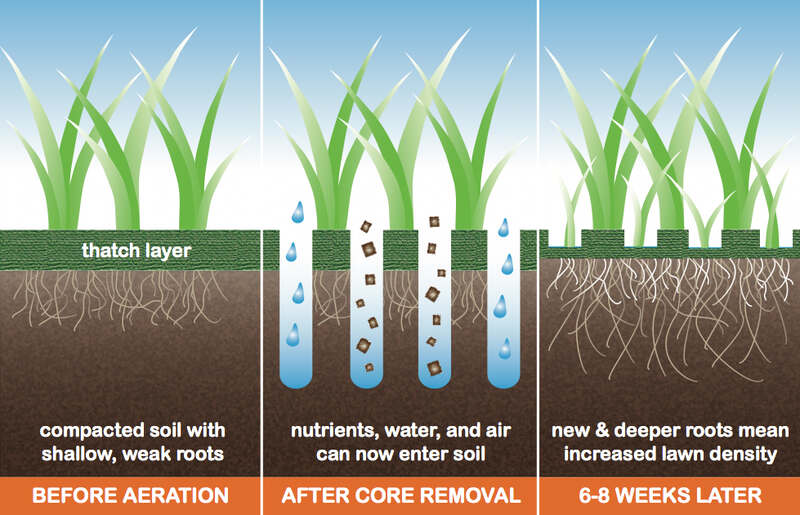
For new grass to grow, the seeds have to reach the soil. Dethatching and aerating your lawn before spreading seed helps with that. This step is not required, but it leads to better germination.
First, dethatch the lawn if the thatch layer is thick enough that you cannot see soil through it. After dethatching, aerate the lawn with a core aerator. You only need to aerate if you have not done so in the past year.
Tip: If you are unsure whether your lawn needs aeration, check for compacted soil by pushing a screwdriver into the ground. If it does not slide in easily, aerating will help your seed make better contact with the soil.
See Related:
Step 2: Mow the Lawn Short
On the day you plan to overseed, cut your grass down to an inch or shorter. Shorter grass gives the new seeds better access to the soil underneath.
Bag the grass clippings as you mow so they do not go back into the lawn, where they would block seeds from reaching the soil.
Step 3: Rake to Remove Debris
After mowing, rake your yard to remove loose grass clippings, fallen leaves, twigs, or other debris. Make sure the rake digs into the ground slightly so it loosens the top layer of soil as you go.
Step 4: Add Enriched Topsoil
Enriched topsoil is a mixture of nutrient-rich compost and soil that helps new grass grow quicker and thicker. Use a fertilizer spreader to add a layer about 1/4 inch thick on top of your existing grass.
Note: Some grass seed mixtures already include topsoil. If you are using one of these, skip this step and go straight to spreading the seed.
Step 5: Spread the Grass Seed
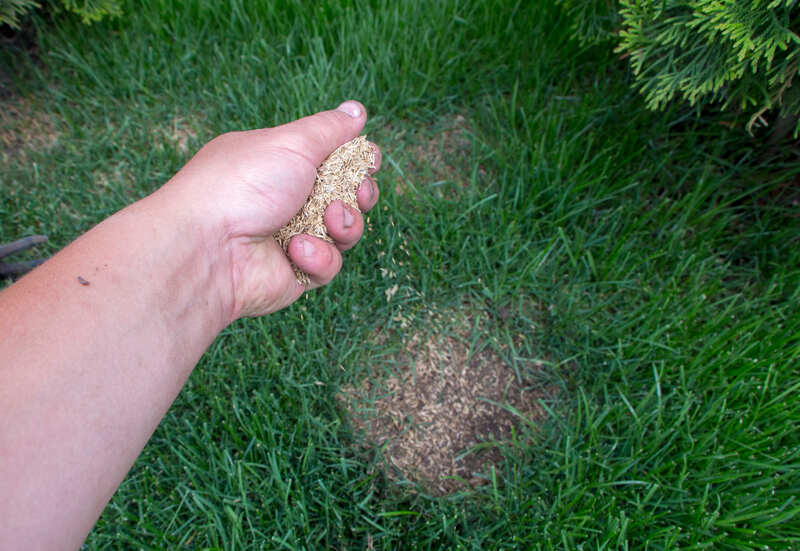
Before choosing a grass seed mixture, know your grass type. Use seeds for either the same type already in your yard or a compatible grass type.
Usually, “compatible” means cool-season grasses with other cool-season grasses, and warm-season grasses with other warm-season grasses.
Fill a fertilizer spreader with your chosen seed mixture. Walk the spreader across your lawn in rows, following the same pattern you use when you mow. Check the package label for recommended seeding rates, as these vary by grass type and brand.
Two Types of Push-Behind Spreaders
Homeowners can choose two kinds of push spreaders for residential lawns: a drop spreader or a broadcast spreader.
| Drop Spreader | Broadcast Spreader |
| Smaller lawns under 5,000 square feet | Larger lawns from 5,000 to 20,000 square feet |
| Tight areas with landscaping, narrow sections, and planting beds | Wider areas with straight runs and fewer obstacles |
| Precise: Drops product directly underneath for more control over target area | Broader: Distributes product in a wide, overlapping pattern for faster coverage |
Note: If you have a small lawn of around 1,500 square feet or less, you can use a hand-held spreader. These can be battery-powered or crank-operated.
See Related: How to Choose The Right Lawn Spreader
Step 6: Fertilize the New Grass
Using your fertilizer spreader, spread a lawn starter fertilizer anywhere you just added seed. Starter fertilizers help seedlings establish strong roots and sprout faster.
Avoid “weed and feed” combinations. The herbicides in these products would prevent new grass from growing.
Note: If your seed mixture already contains fertilizer, skip this step.
See Related: FAQs About Applying Starter Fertilizer to Your Lawn
Step 7: Water Your Lawn Generously
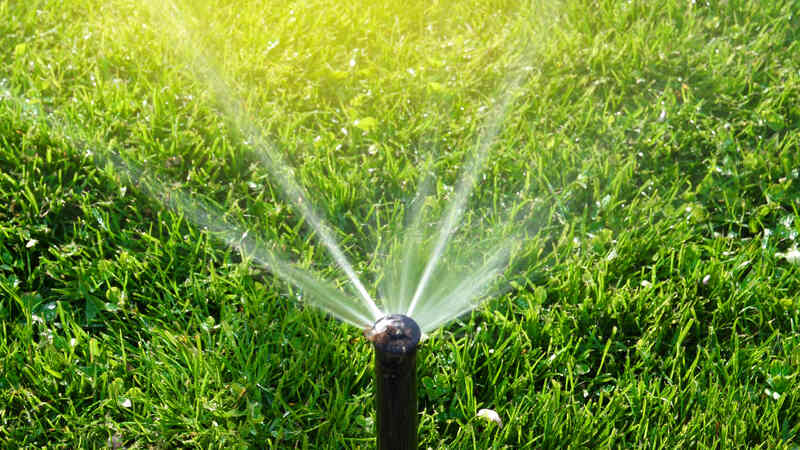
Right after spreading seeds and fertilizer, water the lawn deeply. After that, water lightly every day to keep the soil moist while new grass establishes.
Continue daily watering until the new grass is as tall as existing grass. Always water early in the morning to prevent evaporation.
Watch for signs of overwatering like puddles or spongy soil. If you notice these, cut back immediately.
See Related: How Often to Water Grass Seed
Step 8: Avoid Mowing or Heavy Traffic
Minimize traffic in overseeded areas until the new grass has grown 1 to 2 inches tall. Wait to mow until new grass reaches the same height as established grass. At that point, resume your normal lawn care routine.
See Related: When to Mow After Overseeding Your Lawn
When is the Best Time to Overseed Your Lawn?
The best time to overseed depends on your grass type. Cool-season grasses should be overseeded in early fall, while warm-season grasses do best in late spring or early summer during their peak growth period.
Timing matters because seeds need warm soil and active growth conditions to germinate successfully. Overseeding at the right time also helps new grass establish before weeds or extreme temperatures become a problem. “Without proper timing, that investment rarely pays off,” says Chelsea Morris of High-Class Grass in Virginia Beach, Virginia.
When to Overseed Cool-Season Grass
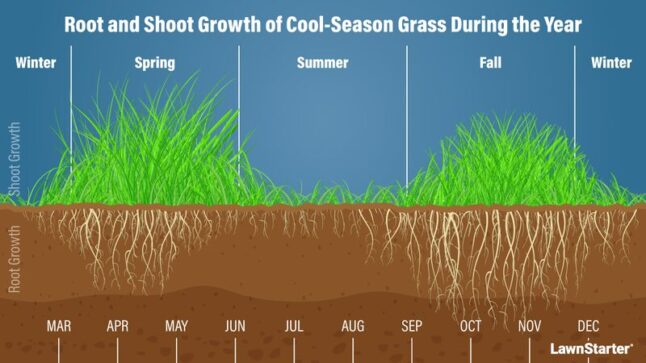
Cool-season grasses grow in the northern United States. Their most active growth periods are spring and fall, according to the University of Missouri Extension.
Plant cool-season grass seeds between late August and early October. The soil temperature should be between 50 and 65 degrees. Check with a soil thermometer.
Why fall is better than spring: There are fewer weeds competing with new seedlings for water and nutrients. Spring overseeding is possible but gives less time to establish before summer heat.
See Related: When to Overseed in Spring
When to Overseed Warm-Season Grass
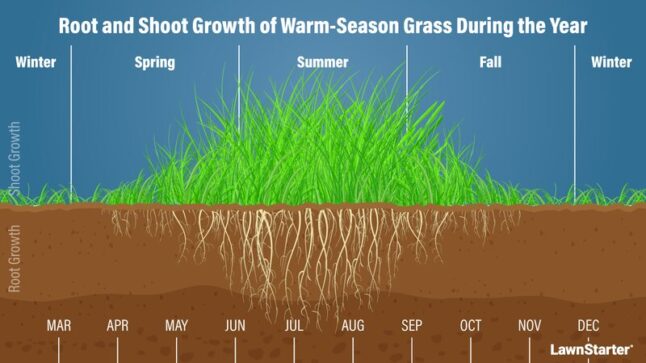
Plant warm-season grass seeds in late spring or early summer when soil temperature is between 70 and 90 degrees.
Warm-season grasses grow most actively in the heat of late spring and summer. They thrive in the southern half of the country. Common warm-season grasses include Bermudagrass, Zoysiagrass, centipedegrass, and St. Augustinegrass.
Add Winter Color by Overseeding in Fall
Many homeowners with warm-season lawns overseed with cool-season ryegrass in fall. This keeps the lawn green through winter while the warm-season grass is dormant.
Plant ryegrass seeds when soil temperatures are between 50 and 65 degrees. Your choice of ryegrass variety depends on your climate:
Extreme South: Use annual ryegrass. It will die out in June when temperatures rise.
Milder climates (middle of the country): Use perennial ryegrass. It survives summer dormancy and greens up again the following fall, so you do not need to overseed every year.
How Often to Overseed Grass
Most lawns only need overseeding every 2 to 3 years. However, lawns that suffer from drought or disease may thin out more frequently and need annual overseeding.
Keep an eye on your lawn and overseed when it starts looking patchy. Consistent maintenance between overseedings, including proper mowing and fertilizing, helps your lawn stay thick longer.
See Related: How Often Should You Overseed Your Lawn?
FAQs
Overseed when the soil is dry and no heavy rain is in the forecast for a few days. Heavy rain can wash seeds away before they germinate. Light rain a day or two after overseeding is fine and helps keep soil moist.
Yes. Mixing grasses is often better than planting one type because you combine their strengths. Stick to warm-season with warm-season or cool-season with cool-season types, except when adding ryegrass for winter color.
Common combinations include:
• Kentucky bluegrass and fescue: Fescue handles drought while Kentucky bluegrass spreads to fill bare spots. They compensate for each other’s weaknesses.
• Bermudagrass and perennial ryegrass: Bermudagrass stays green in summer, ryegrass stays green in winter (only works in the transition zone).
Some seeds may germinate, but the results will be poor. For thick, healthy growth, prepare the lawn by mowing short, raking, and adding topsoil or compost before spreading seed. Proper seed-to-soil contact makes the biggest difference.
See Related: How to Overseed a Lawn Without Aerating
Professional Lawn Care Help
With the right timing and technique, overseeding can give you the thick, healthy lawn you want. However, consistent lawn maintenance, including mowing and fertilizing, is key to keeping it that way.
Do not have time for all that upkeep? LawnStarter makes it easy to book aeration and overseeding, or weekly lawn mowing, with local pros near you.
Main Image: Seed spreader on grass in a lawn. Image Credit: Shutterstock