| Key Takeaways |
|---|
| • Fleas are reddish-brown, wingless, and about the size of a sesame seed. • A pet scratching excessively after going outside is often the first warning sign. • The white sock test is the easiest DIY way to check your yard for fleas. |
Fleas in your yard are easy to miss until they’re biting your ankles. They can live in your grass, garden beds, and shaded outdoor areas, and they’ll hitch a ride indoors on pets or your pants.
The fastest way to check: Put on white socks and walk through your yard. If tiny dark specks jump onto your socks, you likely have fleas. Other signs include itchy red bites on your legs, a scratching pet, and visible fleas or flea dirt on carpets or furniture indoors.
The 5 key signs are detailed below, including what fleas actually look like, how to confirm an infestation, and when to call a professional.
| Worried about fleas in your yard? Get a free quote from a local, highly rated pest control pro near you. |
5 Signs You Have Fleas in Your Yard
1. Your Ankles Itch After Being Outdoors
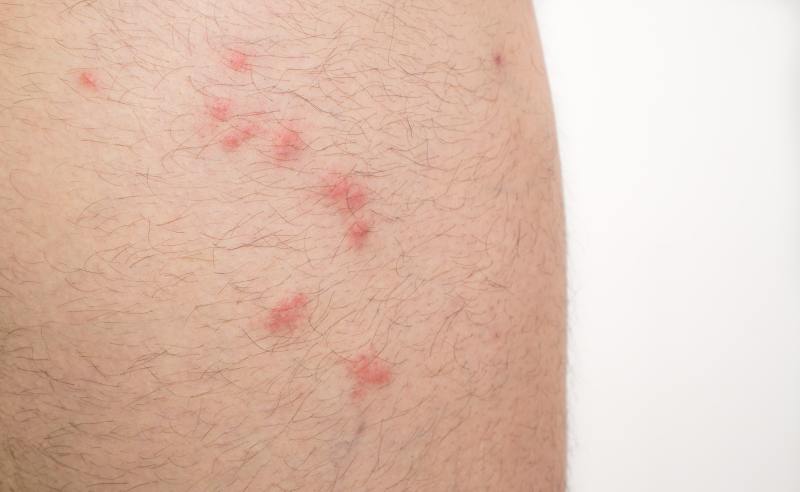
Humans aren’t immune to flea bites. Fleas tend to bite at ankle and shin level because they jump from grass and low vegetation. If you spend time in the yard and then notice the following, fleas could be to blame.
- Red spots on your feet, ankles, and lower legs
- Bites that are intensely itchy and slightly swollen
- Clusters of bites, often in a line or group
Note: Mosquitoes, chiggers, and ants can cause similar bites, so cross-check with the other signs below.
See Related:
— How to Get Rid of Mosquitoes in Your Yard
— How to Get Rid of Chiggers in Your Yard
— How to Get Rid of Fire Ants in Your Yard
2. Your Pet Won’t Stop Scratching
Pets that spend time outdoors are prime targets for fleas. Fleas move fast and can be hard to spot on a furry coat, but behavioral clues give them away.
If your dog or cat shows the following signs after being in the yard, fleas are the likely source:
- Excessive scratching, biting, or licking, especially around the neck, belly, legs, or base of the tail
- Hair loss or dry, irritated skin
- Small red bumps or scabs on the skin
- Flea dirt is visible in the fur when you part it (more on that in Sign #3)
3. You Spot Adult Fleas or Their Dirt
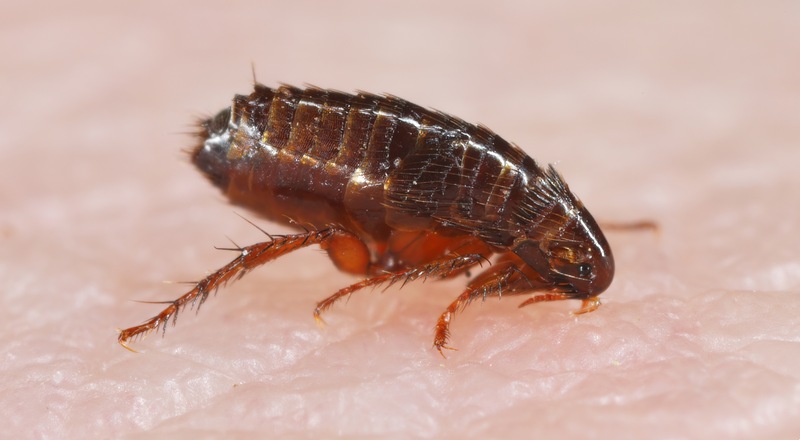
What do fleas look like? Adult fleas are about 1/16 to 1/8 inch long, roughly the size of a sesame seed. You can see them with the naked eye, though it is not easy.
They are dark reddish-brown or black, wingless, and have flat bodies built for gliding through fur. They do not fly, but they jump impressively, up to 13 inches horizontally.
In your yard, you might spot fleas jumping in grass, especially in shaded, moist areas. A flashlight or magnifying glass helps. Flea eggs are even harder to spot: tiny off-white ovals, about the size of a grain of salt.
What is flea dirt? Flea dirt is flea feces and is often easier to find than the fleas themselves. It looks like tiny black or dark reddish-brown specks, similar to ground pepper. You will often find it on pet fur, pet bedding, or carpeting.
How to identify: To confirm it is flea dirt and not regular dirt, place some specks on a damp white paper towel. When it gets wet, flea dirt turns reddish-brown from digested blood, while regular dirt stays dark.
4. Fleas or Flea Dirt Shows Up Indoors
Fleas do not stay in the yard. Once your pet brings them in, they can settle into carpets, rugs, upholstered furniture, and even your bed. Finding any of the following indoors is a strong indicator that your yard is infested:
- Jumping specks on light-colored flooring or fabric
- Flea dirt on pet beds or carpets (use the damp paper towel test from Sign #3)
- Itchy bites when you wake up, concentrated on the lower legs
Use your phone flashlight and get low to the floor to look for movement. Flea larvae are tiny and white, while adult fleas are fast movers. If fleas are inside, they are almost certainly still thriving in your yard, too.
5. The White Sock Test Confirms It
The white sock test is the most reliable DIY method for detecting yard fleas.
- With full-length pants on, pull on calf- or knee-high white socks.
- Tuck your pants into your socks. The fleas are forced to jump onto the white fabric instead of your skin.
- Walk slowly through suspected areas, checking your socks every few minutes for tiny dark specks. If they are moving, they are fleas.
The best places to test in your yard include:
- Under decks, porches, or dense shrubs
- Along fence lines
- Spots where your pet spends the most time
- Areas with tall or overgrown grass
The test works because your body heat and movement attract fleas, which then jump toward you. White fabric makes them easy to spot against the background.
| Keeping your lawn mowed and debris-free reduces the shady, damp hiding spots fleas love. A professional lawn care service can help you maintain a yard that is less hospitable to pests. |
What Attracts Fleas to Your Yard?
Fleas thrive in warm, humid, shady environments. Overgrown grass and leaf litter give them the cover and moisture they need to survive. Wildlife such as squirrels, deer, raccoons, and feral cats can carry fleas into your yard as hosts, even if you have never had a problem before.
Once fleas arrive, they are not easy to get rid of. They spend only a fraction of their time on a host. The rest of the time, eggs, larvae, and pupae are hiding in your lawn, waiting for the next one to pass by.
See Related:
— What Attracts Fleas to Your Yard?
FAQ About Fleas in Your Yard
Flea eggs, larvae, and pupae can survive in grass, soil, and leaf litter for weeks to months without a host, and adult fleas can go several days without feeding. This is why treating only your pet is not enough; the yard needs treatment, too.
Several plants are naturally off-putting to fleas, including lemon balm, marigold, rosemary, basil, and catnip. Keep in mind that plants alone are not enough to eliminate an existing infestation.
Mow regularly and clear leaf piles and debris to eliminate flea hiding spots, then apply a pet-friendly insecticide to the yard. A vet-recommended flea preventative for your pet helps stop them from carrying fleas from one area to another.
For severe or persistent infestations, a professional lawn care or pest control service is your best option.
See Related: How to Treat Fleas in Your Yard Naturally
Hire a Pro to Fight Back Against Fleas
You put real effort into your yard. A flea infestation should not be what drives you back inside. If the signs are adding up and home remedies are not cutting it, LawnStarter can connect you with a local, top-rated pest control professional so you can get back to enjoying your yard without the itch.
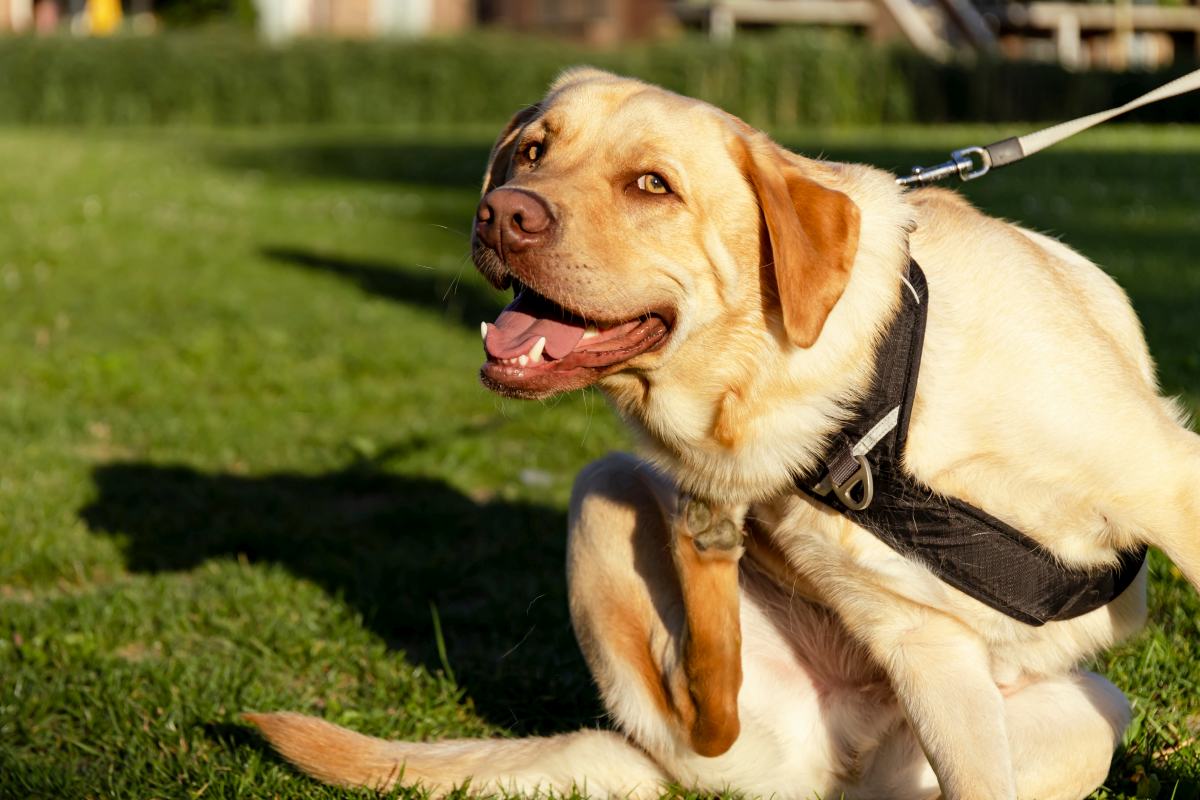
Main Image: A yellow labrador retriever scratches itself on a green lawn. Image Credit: Edwin / Adobe Stock Free / License
Related Posts: