March in Memphis marks the start of spring lawn care and the grass growing season. The warmer, mild spring weather is perfect for working outdoors and getting your lawn ready for the hotter temperatures ahead.
To start, take a soil test in early spring, fertilize in March, and aerate and overseed starting in April. These may seem like small steps, but with proper preparation and care, your lawn can avoid damage and withstand stress this summer.
Here are the 7 key spring lawn care tips to ensure you have a lush, green spring lawn in Memphis:
1. Test Your Soil
When springtime rolls around, start with a soil test. You can either send in a soil sample to the UT Extension’s Soil, Plant, and Pest Center or conduct a DIY soil test with a soil test kit. To send a soil sample to UT Extension, collect samples about 6 inches deep from 10 different spots around your yard.
Once you receive your soil test report, you can determine which nutrients your soil lacks and what type of fertilizer or soil amendments your lawn requires. Memphis soil is typically silty and well-drained. It is also very fertile, which makes it excellent for supporting lawn and garden growth.
See Related:
– How to Use a Soil Test Kit
– How to Prepare a Soil Sample for Testing: 5 Simple Steps for Accurate Results
– How to Read a Soil Test Report
2. Manage Weeds
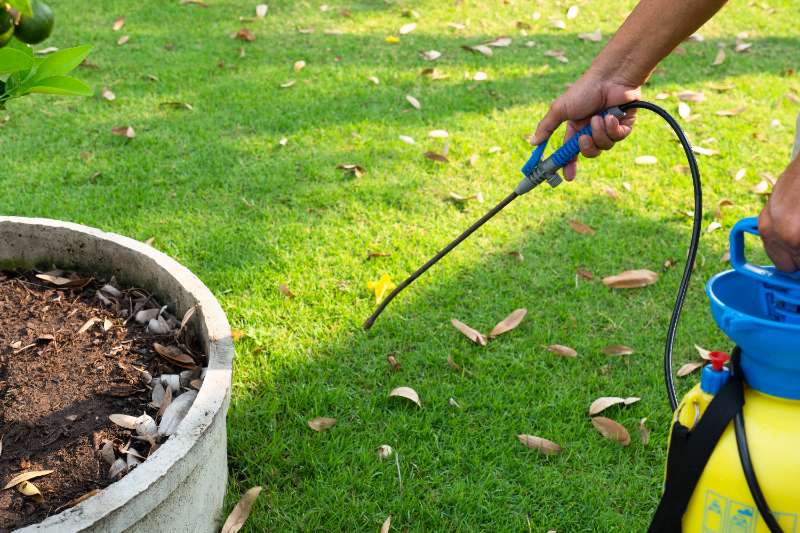
To manage unsightly weeds in your lawn, apply pre-emergent herbicides in early March before summer weeds like crabgrass begin to sprout. Apply when soil temperatures consistently hit 55 degrees.
Here are common Memphis weeds you might spot in your lawn:
- Crabgrass
- Dallisgrass
- Dandelions
- Goosegrass
- Yellow nutsedge
If weeds still pop up in your yard, hand-pull them. For larger infestations, spot-treat with post-emergent herbicides when air temperatures are between 65 and 85 degrees.
See Related:
– Guide to Weed Control in Your Yard
– Applying Post-Emergent Herbicides to Your Lawn
3. Mow the Grass
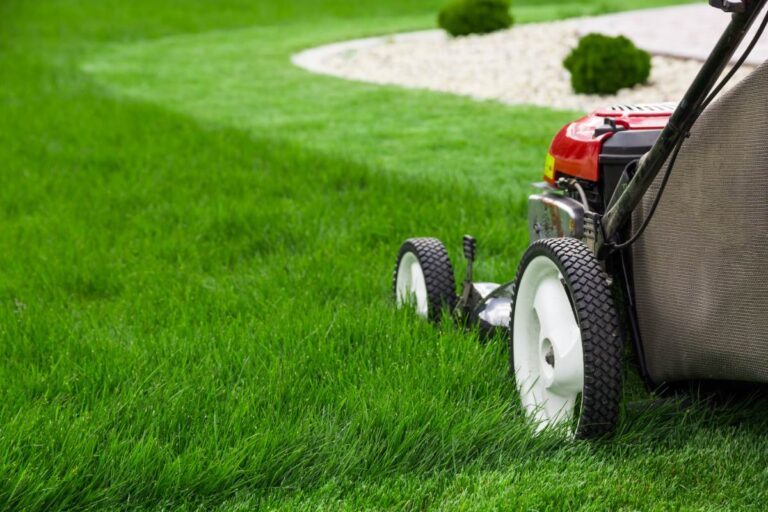
Whether or not you winterized your lawn mower before putting it into storage last fall, inspect your mower before you do your first mow. At the very least, you’ll need to reconnect the spark plug wire, replace the fuel (if you drained the tank in the fall), and sharpen your mower blades.
Mowing usually begins in March as grass emerges from dormancy, although this depends on the weather.
Here are a few key mowing tips for spring:
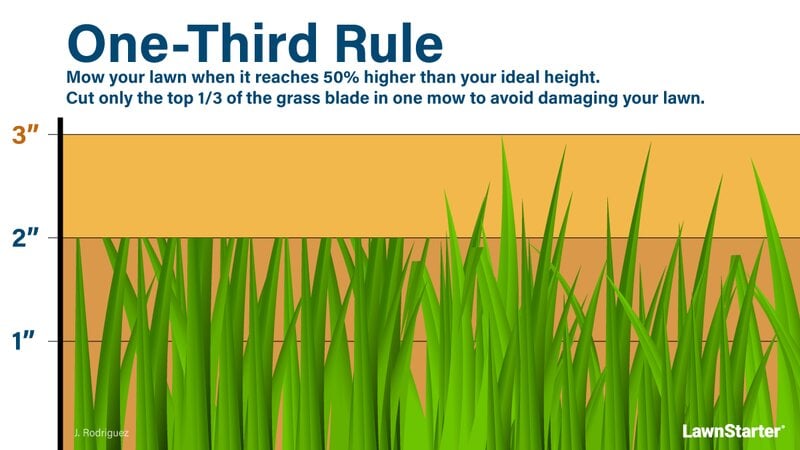
- Leave grass clippings on the lawn: As grass clippings decompose, they act as natural fertilizer, returning nutrients to the soil.
- Follow the one-third mowing rule: Never cut off more than a third of the grass blade in a mowing session.
- Change your mowing pattern every time you mow: Mowing in a different direction each time prevents ruts in your lawn.
Here are the recommended mowing heights for the most popular grass types in Memphis:
| Type of Grass | Mowing Height |
| Bermudagrass | 1 – 2 inches |
| Centipedegrass | 1 – 2 inches |
| Tall Fescue | 2 – 4 inches |
| Zoysiagrass | 1 – 2.5 inches |
4. Water As Needed
Grass needs 1 inch of water every week. Watering deeply 2-3 times a week encourages healthy root growth. Memphis usually receives several rainstorms during the spring, so supplement natural rainfall with irrigation as needed.
The best time to water your grass is between 5 a.m. and 9 a.m. This allows water to soak in before the day gets too hot while also giving the moisture on your lawn time to evaporate before nightfall, protecting it from pests and fungal diseases.
5. Fertilize to Encourage Grass Growth
To help your Memphis lawn survive the summer heat, fertilize once in March after the lawn is at least 50% green. Fertilize with around 1 pound of nitrogen per 1,000 square feet if you don’t have specific recommendations from a soil test. Fertilizer gives grass a strong base to begin growing as it emerges from winter dormancy.
See Related:
6. Aerate to Reduce Soil Compaction
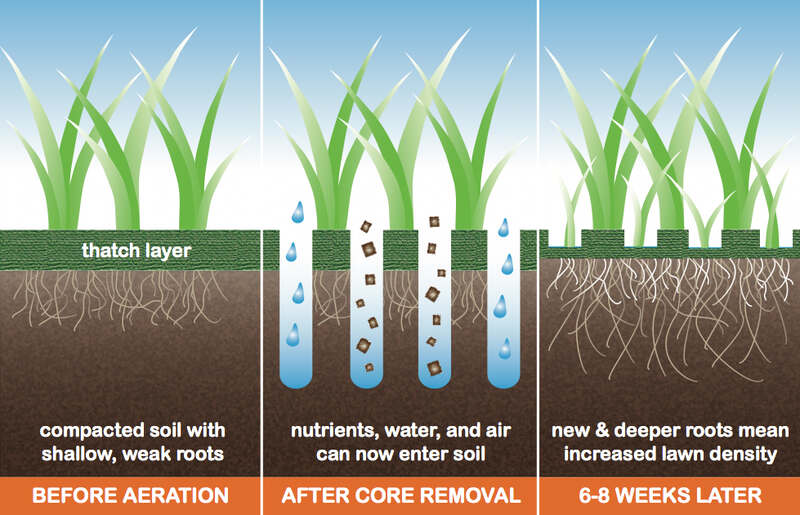
Soil compaction prevents water, nutrients, and oxygen from reaching plant roots. Core aeration reduces soil compaction by pulling cores of soil from the ground.
To aerate warm-season lawns (Bermuda, centipede, Zoysia), the easiest method is to rent a core aerator from a local garden supply or home improvement store. Warm-season grasses should be aerated in late April or early May.
Before you begin aerating, the lawn should be damp, but not muddy. Memphis enjoys a wet spring, so aerate 1-2 days after a rainstorm.
Note: Cool-season grass lawns (tall fescue) should be aerated in the fall, not the spring.
See Related:
– How to Aerate Your Lawn: A Complete Guide
– Guide to Growing Warm-Season Grasses
– Guide to Growing Cool-Season Grasses
7. Overseed Your Grass
The best time to overseed warm-season grass is late April through June. Usually, overseeding can be done at the same time you aerate your lawn. The holes from aeration allow grass seed to work into the soil easily, and the loosened soil creates a prime environment for new seed.
Overseeding promotes dense grass growth, fills in bare patches, and helps outcompete weeds that may have survived the winter. If you don’t overseed in late spring, weeds can easily take over the less dense areas of your lawn.
See Related:
– How to Overseed a Lawn in 8 Simple Steps
Hire a Pro to Grow the Best Spring Lawn in Memphis
Memphis spring lawn care is all about preparation. Following these tips will prepare your lawn for the hot, humid summer ahead. The lush, green lawn you’ve always craved is within your reach. With the right timing for spring lawn care tasks, you can reap the rewards of a beautiful lawn.
Need a little help with lawn care? Connect with one of LawnStarter’s Memphis lawn care pros who can take care of your mowing, aerating, and more. Our lawn care professionals know the local weather in Memphis and how it impacts the timing of every lawn care task so you don’t have to worry about your yard.
Read Next:
– 6 Fall Lawn Care Tips for Memphis, TN Homeowners
– 4 Winter Lawn Care Tips for Homeowners in Memphis, TN
– Native Flowers to Plant in Memphis
Main Image: Lawn mowed by a LawnStarter pro in Memphis, TN. Illustration by Amy Stenglein / LawnStarter
Related Posts: