| Key Takeaways |
|---|
| • Never cut more than one-third of the grass blade at once to avoid stressing your lawn. • Mow during mid-morning (8 a.m. to 10 a.m.) or late afternoon (4 p.m. to 6 p.m.) for best results. • Change your mowing pattern each time to prevent ruts and ensure even growth. |
After years of mowing lawns in all kinds of conditions, I’ve learned that proper mowing technique makes all the difference between a mediocre yard and a lawn that makes neighbors stop and stare.
Here’s my complete guide to mow your lawn the right way with practical tips from one of LawnStarter’s top lawn care experts. You’ll learn the best cutting height, the right time of day, and the techniques that deliver professional-looking results every time.
Rather skip the hassle? Hire a local LawnStarter lawn mowing pro and take mowing off your weekend to-do list.
| • Project difficulty: Beginner to Intermediate • Estimated time to complete: 0.5 to 1.5 hours for a 1/2-acre lawn, depending on the mower • Project cost: $260 to $300 (low-end price for a push mower, string trimmer, leaf blower, safety glasses, and ear protection to get you started) |
Before You Mow Your Lawn
Getting your lawn and mower ready takes a few minutes but prevents most common mowing mistakes beginners make. You’ll clear debris, set your mower to the right height, and confirm conditions are right.
Here’s what to do before you start the engine.
How to Clear Your Lawn Before You Mow
I always walk the lawn first to remove debris. Lawn mower injuries are more common than most people realize and this simple step can prevent unwanted visits to the ER.
Working at 2,000 to 4,000 RPM, mower blades can turn a rock into a dangerous projectile that speeds up to 200 mph. Last summer, I ran over a hidden rock that not only damaged my mower blade but sent it flying out.
Now I wear garden gloves and do a quick sweep for:
Sticks and stones
Toys and sports equipment
Dog waste
Anything that could damage your mower or become a projectile
Proper Mowing Height for Your Grass
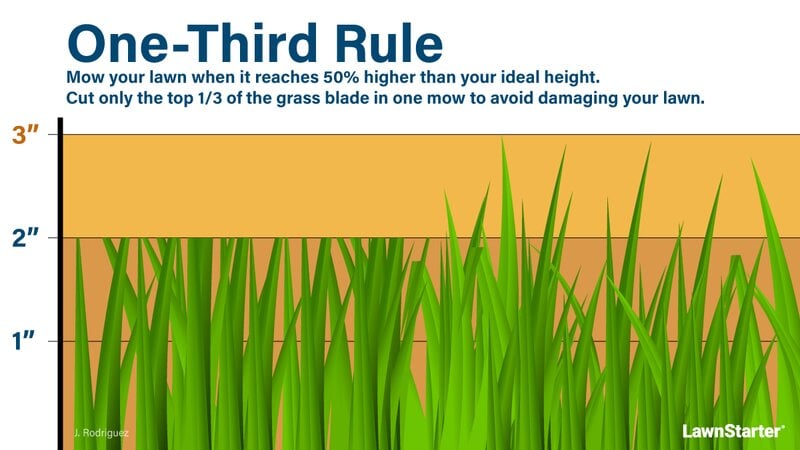
The golden rule I never break: Never cut more than one-third of the grass blade at once. When I ignored this after a vacation, my lawn turned yellow for weeks.
For example, if your grass is 4 inches tall and you want it at 2 inches:
First mow to 2.75 inches (removing about 1/3)
Wait 3 to 4 days
Then cut to your target 2-inch height
Don’t try to get there in one pass. You’d risk stressing the lawn, which can halt root growth for 6 days to 2 weeks.
The recommended mowing height varies between cool-season grasses and warm-season types:
Bermudagrass: 1 to 2 inches
Kentucky bluegrass: 2 to 4 inches
St. Augustinegrass: 3 to 4 inches
Tall fescue: 2 to 4 inches
Zoysiagrass: 1 to 2.5 inches
To set your mower height accurately, place it on a flat, hard surface (like a driveway or garage floor — never on grass). Then, measure from the ground to the lowest point of the blade with a ruler.
Most mowers have a height-adjustment lever near one or more wheels. Moving it to a higher notch raises the deck, while a lower notch brings it closer to the ground.
Check your mower’s manual if you’re unsure which lever controls the deck height. On many models, all 4 wheels adjust with a single lever.
Best Time to Mow Your Lawn
The best mowing time is mid-morning (8 a.m. to 10 a.m.) and late afternoon (4 p.m. to 6 p.m.).
I’ve learned the hard way when NOT to mow:
Early morning (6 a.m. to 8 a.m.): Dew-soaked grass clumps, clogs your mower, and spreads fungal disease
Midday heat: Stresses both you and your grass (freshly cut grass loses moisture rapidly in the heat)
Evening after 6 p.m.: Grass needs a few hours of daylight to begin recovering before nightfall
Last July, I mowed at noon during a heatwave. Both my lawn and I suffered for it.
Never mow wet grass. After a rainstorm last spring, I mowed anyway and ended up with a clogged mower, uneven cuts, and fungus problems that lasted several weeks.
Step-by-Step Guide to Mow Your Lawn
Ready to cut? Here are the steps, in order. Follow them once and they’ll feel like second nature by your next mow.
Step 1: Mow Your Lawn Perimeter First
Start by mowing 2 or 3 laps around the entire edge of your lawn. This gives you clean borders and, more importantly, a turning lane so you’re not spinning the mower into your flower beds or fence on every pass.
Step 2: Choose a Mowing Pattern to Mow Your Lawn
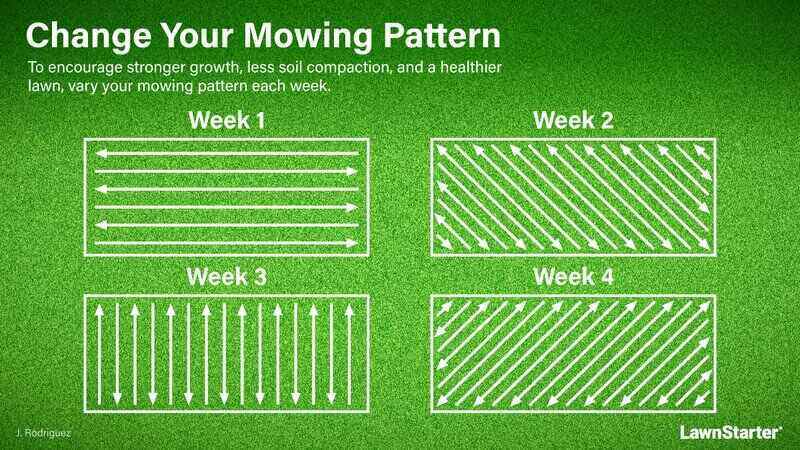
I change my mowing pattern every single time. A mowing practice also recommended by one of Lawnstarter’s lawn care pros, Carlos Garza, owner of NC Dip and Clip in San Antonio.
“This prevents soil compaction and helps grass grow upright instead of leaning in one direction,” Garza says.
If you always go north-to-south, switch to east-to-west next week and vice-versa.
My most efficient patterns:
| Lawn Shape | Best Mowing Pattern |
| Rectangular lawn | Long straight lines with the fewest possible turns |
| Irregular shapes | Start on the perimeter and spiral inward |
Always overlap your previous pass by about 2 inches to avoid missed strips. Last summer, I rushed and didn’t overlap properly, leaving mohawk strips that stood out for days.
Step 3: Mow Your Lawn Slopes and Obstacles Safely
Slopes and tight spots trip up more beginners than almost anything else. Here’s the rule that keeps you safe with a push mower:
“Always mow across slopes, never up and down,” Garza says. “This prevents the mower from sliding and reduces injury risk.”
The rule is different for riding mowers. Mow straight up and down, to avoid the mower rolling over on its side.
Around trees, stay several inches away from the trunk. This way you prevent lawn mower blight — repeated contact between a mower and tree bark that creates wounds where disease and insects can enter.
I damaged a young maple before learning this lesson.
For tight spots near fences or garden beds, finish with a string trimmer (also called a weed eater or weed whacker) after mowing. It’s the handheld tool with spinning nylon line that cuts where your mower can’t reach.
“Create a clean edge between the grass and the bed,” Garza says. “This is what makes a lawn look professionally maintained.”
When you trim along driveways, walkways, or patios, angle the trimmer to avoid throwing debris onto clean surfaces, he says.
What to Do After You Mow Your Lawn
The job isn’t done when you turn off the mower. Two quick finishing steps — managing your clippings and blowing off hard surfaces — make a real difference in how your lawn looks and recovers.
Managing Grass Clippings After You Mow Your Lawn
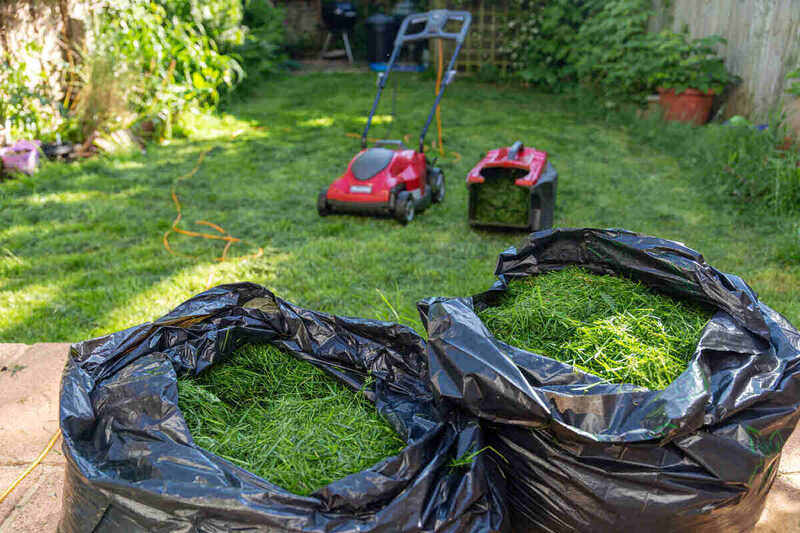
I used to bag all my clippings until I learned they provide up to 25% of my lawn’s fertilizer needs. It’s essentially free fertilizer that decomposes right back into the soil.
Now I mulch whenever possible, except when:
The grass is extremely tall (long clippings, slow to decompose).
There’s visible disease in the lawn.
You’re doing the first spring mowing with lots of debris in your grass.
If you’re composting the clippings, here’s a tip to save time: empty the bag at convenient turning points near the bin to minimize walking.
See Related:
Final Cleanup After You Mow Your Lawn
After mowing, use a leaf blower to clear clippings from hard surfaces. “Start from the far end and work your way back,” Garza says.
Adapt to your yard areas:
For driveways: Blow toward the lawn, not the street.
For flower beds: Use a gentle circular pattern to avoid disturbing mulch.
“Always do a final walkthrough to look for any missed spots, clippings on hard surfaces, or areas that need touch up,” Garza says.
See Related: How to Use a Leaf Blower
How to Handle Tricky Situations When You Mow Your Lawn
Sometimes your lawn throws you a curveball: overgrown grass from a long vacation, a soggy lawn after days of rain, a mower that isn’t cutting cleanly. Here’s how to tackle the most common challenges beginners run into.
How to Mow Your Lawn When Grass Is Overgrown
If you’ve missed a few mows after a vacation or rainy spell, don’t try to cut it all at once, or you risk scalping the lawn (cutting the grass too short in a single pass).
When that happens, the lawn turns yellow or brown, stress sets in, and weeds fill the gaps.
Use the gradual approach: Raise your mower deck to its highest setting and cut, following the one-third rule. Wait a few days, lower the deck, and mow again. Repeat until you reach your desired height.
See Related: How to Mow Tall Grass In Your Lawn
How to Mow Wet Grass
Wet grass bends flat under the blade instead of standing upright, so your mower tears it rather than cutting it. Ideally, wait at least a few hours after rain for the grass to dry.
If you can’t — say, you’re in the middle of a long rainy stretch:
Use a gas-powered mower (avoid electric on wet grass)
Raise the deck a couple of notches
Mow at about half your usual speed
Use the side discharge instead of bagging
Overlap each pass by about 50% for a cleaner cut
When you’re done, scrape the wet clippings off the mower deck right away; they cake on fast and invite rust.
See Related: How to Mow Wet Grass
How to Tell if Your Mower Blades Are Dull
If your lawn looks ragged after mowing, or the grass tips turn white or brown a day later, your mower blades are probably dull. Instead of slicing cleanly, a dull blade tears the grass.
I sharpen mine every 20 to 25 hours of use. If you’d rather have a shop do it, it costs about $5-$15 per blade, while buying new blades typically cost $30-$40.
See Related:
Safety Tips When You Mow Your Lawn
Mowing can be relaxing, but you’re still operating powerful machinery. Always prioritize safety before you start the engine.
Wear proper gear: Closed-toe shoes, long pants, eye protection, and ear protection for gas mowers.
Clear the lawn first: Remove rocks, toys, and debris — they become projectiles at mowing speed.
Never mow wet grass: It’s both bad for your grass and a slipping hazard.
Keep children and pets away during mowing to prevent accidents.
Let the engine cool completely before adding fuel to avoid fire risk.
Disengage the blade before crossing driveways or sidewalks.
See Related: 13 Yard Work Safety Tips, With Advice From a LawnStarter Pro
FAQs
Mulching is usually the better choice because it returns nutrients to the soil and saves time. Bag clippings when the lawn is very tall, when clippings are piling up, or if you see signs of disease. In those cases, removing clippings can improve appearance and reduce spread.
Most lawns need mowing about once a week during active growth, but grass height matters more than the calendar. If the lawn is growing fast, you may need to mow more often to follow the one-third rule. As growth slows, you can extend the time between cuts.
A reel mower can be a great option for small, flat lawns and for short-cut grasses because it makes a clean, scissor-like cut. It’s quieter and requires no gas, but it struggles with tall or thick grass and doesn’t handle sticks well. For larger yards, a rotary mower is usually more practical.
Prefer to Skip the Work and Have Someone Mow Your Lawn?
If Saturday sounds better spent doing literally anything else, LawnStarter’s lawn mowing pros can keep the mowing, edging, and blowing handled on a regular cadence for you.
Most of our customers pay $42 to $68 per mow for a typical suburban lawn.
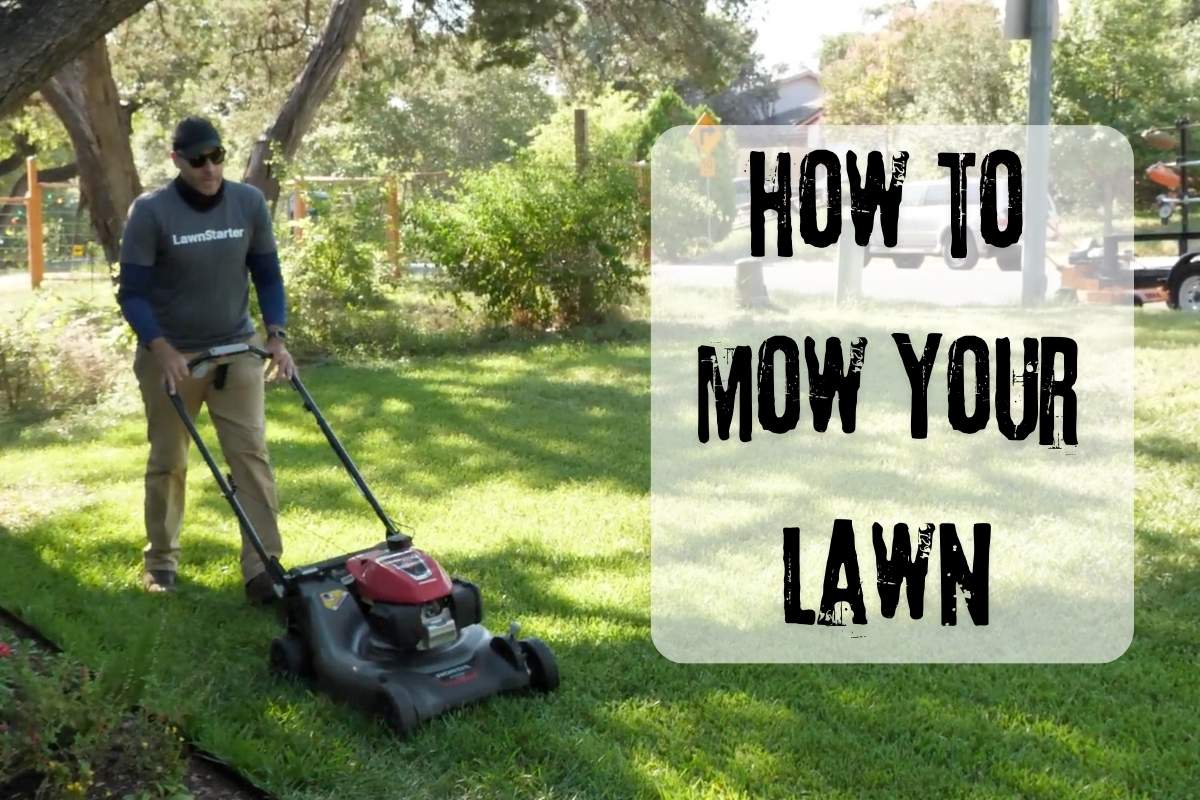
Main Image: LawnStarter pro Justin Stultz mowing a lawn in Austin, Texas. Image Credit: LawnStarter
Read More:
Related Posts: