| Key Takeaways: |
|---|
| • Snow removal, gutter cleaning, and holiday light installation are common winter services offered by lawn care and landscaping companies. • LawnStarter's own marketplace data shows July is 6.5x busier than January, a gap that gets filled with other services, not empty schedules. • Snow removal providers earn about 37% of their total revenue from snow and ice, according to the Snow and Ice Management Association (SIMA). |
Lawn care companies and landscapers don’t go dormant just because the grass does. In the wintertime, services shift away from mowing to seasonal services, such as snow removal.
For many businesses, real revenue comes from services that homeowners don’t usually associate with lawn care. Common winter lawn care services include gutter cleaning, holiday lighting, and tree trimming.
If you’re wondering what your own lawn care business should be doing over the winter season, learn from our 2 lawn care business owners how their companies earn revenue during the off-season.
Ready to earn more money year-round and grow your customer base? Sign up to become a LawnStarter provider.
Winter Services Offered By Lawn Care and Landscaping Companies
Most lawn care companies and landscapers offer multiple winter services rather than focusing on only one wintertime service.
“The biggest thing is developing recurring customers and offering enough services so that you aren’t completely dependent on mowing,” says Rodney Berry, co-founder and CEO of Berry and Son Landscaping in Memphis, Tennessee.
Here are 9 common services lawn care providers may offer during the cold season:
1. Snow Removal
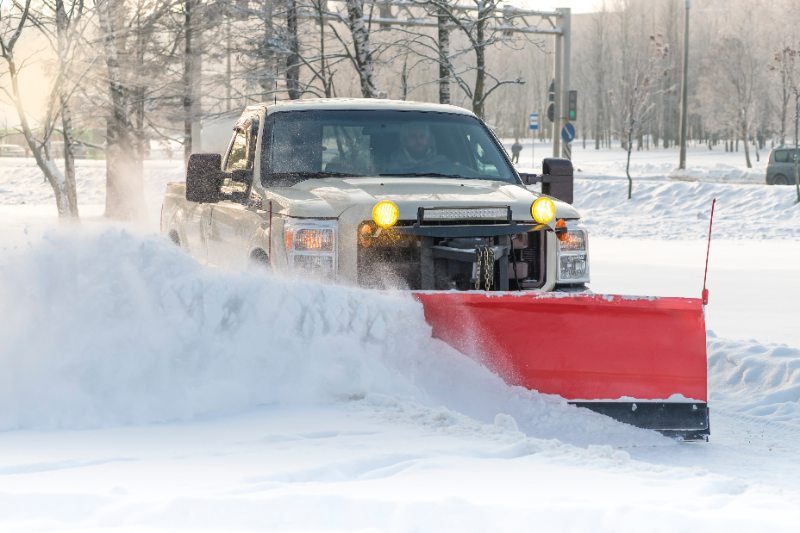
Snow removal includes plowing, shoveling, and de-icing driveways, walkways, and commercial lots. For many northern providers, this is the largest source of revenue during the winter, and the one most likely to bring in commercial customers alongside residential work.
“For someone starting out, snow removal is a great option in the winter. Diversifying your services makes the business much more resilient,” says Jake Anderson, a landscaper with Corliss Landscape & Irrigation in Ipswich, Massachusetts.
2. Gutter Cleaning
Some providers clear leaves and debris from your gutters before winter hits. Removing blockages in the gutters prevents ice dams and winter storms from damaging the roof.
3. Winter Lawn Prep
Winterizing plants and shrubs is a common service in early winter. This can include pruning, mulching, and wrapping vulnerable plants before the first freeze to protect them from frost damage.
See Related: How to Winterize Your Lawn
4. Holiday Light Installation
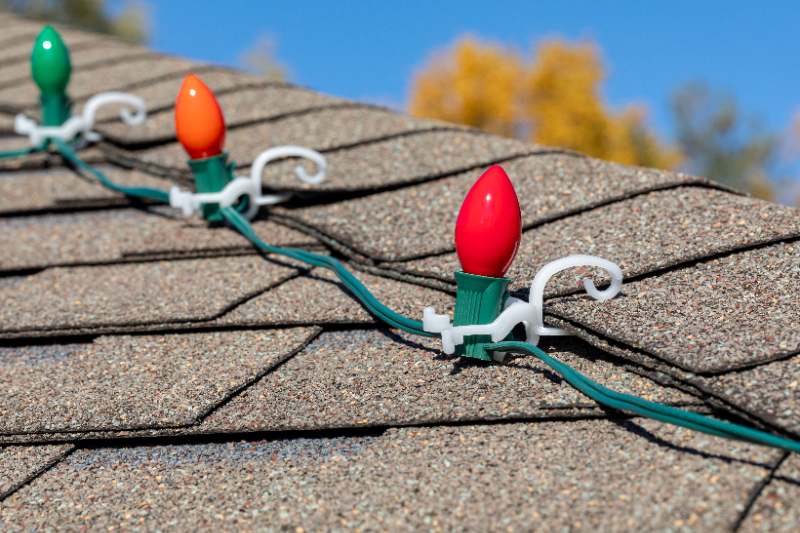
The Christmas season creates demand for decorative outdoor lighting, which some homeowners would rather hire out than do themselves. Lawn care companies are happy to fill this service gap to earn extra cash before the growing season starts again.
5. Tree Trimming
Winter, especially late winter, is the best time to trim trees, since pruning during dormancy reduces stress on the tree and is the perfect setup for a healthy spring. And with fewer leaves on the branches, it’s also easier and safer for the crew.
6. Yard Cleanup
Clearing leaves and debris prevents excess moisture in the lawn, which can lead to fungal growth or pest infestations. Lawn care companies typically offer leaf removal service and yard cleanups to clear homeowners’ yards before frost and snow set in.
“I wish more homeowners understood the importance of keeping up with regular property cleanups and leaf removal throughout the winter,” Berry says.
“Allowing leaves to accumulate for long periods can create a compacted layer that holds moisture and can damage the turf underneath.”
See Related: What Happens If You Don’t Remove Fallen Leaves?
7. Continued Mowing
You may not expect lawn care companies to offer mowing services during the winter, but in warm climates like South Florida and South Texas, grass grows year-round, so mowing barely slows down at all. This means mowing remains a core winter service for some companies.
8. Weed Control
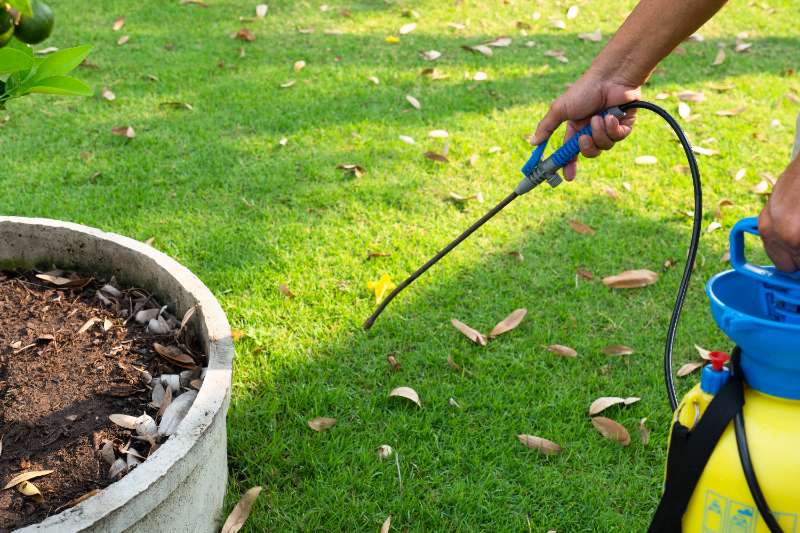
Pre-emergent herbicides prevent weeds from popping up as temperatures start to climb.
“Winter is also an important time for herbicide treatments, particularly pre-emergent applications,” Berry says. “Staying proactive during the dormant season can significantly reduce weed pressure and help set the lawn up for a healthier start in the spring.”
Pre-emergents should be applied when soil temperatures consistently fall to around 70 degrees in fall or rise to 50 to 55 degrees in late winter/early spring.
See Related: When to Apply Pre-Emergent Herbicide (Spring & Fall Guide)
9. Pressure Washing
Pressure washing, also known as power washing, uses a concentrated stream of water to clean driveways, patios, and siding, removing dirt and debris. Most homeowners don’t own a power washer and are willing to pay for this service.
How Winter Impacts Lawn Care Companies
Winter doesn’t mean that there isn’t any work available for lawn care providers. Rather, it’s a mix of different services, not a shutdown.
LawnStarter’s own marketplace data shows mowing volume drops sharply in the off-season: July is roughly 6.5x busier than January. The steep drop-off doesn’t mean businesses go quiet. It means the work (and the revenue) shifts to seasonal services, including snow removal and tree trimming.
“Because we maintain a significant number of commercial properties year-round, we are still operating throughout the winter,” Berry says. “It also gives us valuable time to prepare the company, employees, and equipment for the next growing season.”
Many lawn care companies use the slower months to improve the company with:
- Staff training to prepare crews for the upcoming growing season.
- Adopting new software or tools that help providers in the field.
- Equipment maintenance, such as sharpening mower blades or servicing mower engines.
- Equipment repair. “We service and repair equipment [and] perform preventive maintenance on trucks and mowers,” Berry says.
- Business planning. “[We] review what worked and what didn’t during the previous season,” he says.
“In the winter we meet with homeowners to design upcoming landscape projects, prepare estimates, order materials, and schedule work for the spring. It’s also a great time for drainage projects and certain hardscape installations when weather allows,” Anderson says.
Check out our guide on 10 Ways to Grow Your Lawn Care Business Fast if you are looking for ways to expand your own lawn care company.
See Related: Pros and Cons of Starting a Lawn Care Business
How Much Do Lawn Care Companies Actually Earn in the Winter?
Snow and ice work alone can be a serious revenue line. SIMA’s Industry Impact Report found the average provider earns about 37% of total revenue from snow and ice services. Over 50% of providers who offer snow and ice removal services are lawn and landscape companies.
“Approximately 20% of our annual income comes during the winter/off-season months,” Berry says. “Our revenue does decrease compared with the growing season, but having commercial maintenance contracts, turf treatments, cleanups, and landscape projects allows us to continue generating consistent revenue throughout the winter.”
Pricing shifts seasonally too, and not just because of snow. LawnStarter data shows the average price per mow drops from $54.66 in August to $49.28 in January, a 10.9% premium tied to demand in the busiest months.
See Related: What Does It Cost to Start a Lawn Care Business?
Is Lawn Care Really a Seasonal Business?
It depends on where the business operates. In Florida and parts of Texas, lawns grow and need mowing nearly year-round, which is part of why annual lawn care spending in Florida runs about $576 a year, among the highest in the country, versus around $258 per year in Detroit.
In states with a short growing season, like Minnesota, Vermont, New Hampshire, Montana, and Wyoming, the mowing season runs as short as 6 months. For lawn care companies, that compresses the busy season, which is a big part of why per-visit prices in those states run well above the national average.
Because of these short growing seasons, winter services become an integral part of the business model for lawn care companies in colder states instead of a sideline.
FAQ
Landscapers perform largely the same seasonal work as lawn care companies, offering services such as snow removal, gutter cleaning, dormant-season pruning, and holiday lighting. Although different, “landscaper” and “lawn care company” have some overlap.
One thing Anderson wishes homeowners would think about during the winter is landscape planning and design.
“Many homeowners wait until spring to start thinking about outdoor projects, but winter is actually the ideal time to plan,” he says. “It gives us more time in the spring to start implementing the work.”
Hire a Local Lawn Care Pro This Winter
No matter which winter services you need, from leaf removal to flower bed weeding, LawnStarter makes it simple: Get an instant quote, choose a time, and a background-checked local pro will handle the rest.
If you are looking to start or expand your own lawn care business, you can grow your business with LawnStarter. Our platform brings customers to you, handles disputes and billing, and pays you on time, so you can focus on expanding your services year-round.
Read More: How Lawn Care Pros Make Seasonal Income Last All Year Long
Sources:
- Jake Anderson, landscaper at Corliss Landscape & Irrigation, Ipswich, MA. Personal interview.
- Rodney Berry, co-founder and CEO of Berry and Son Landscaping, Memphis, TN. Personal interview.
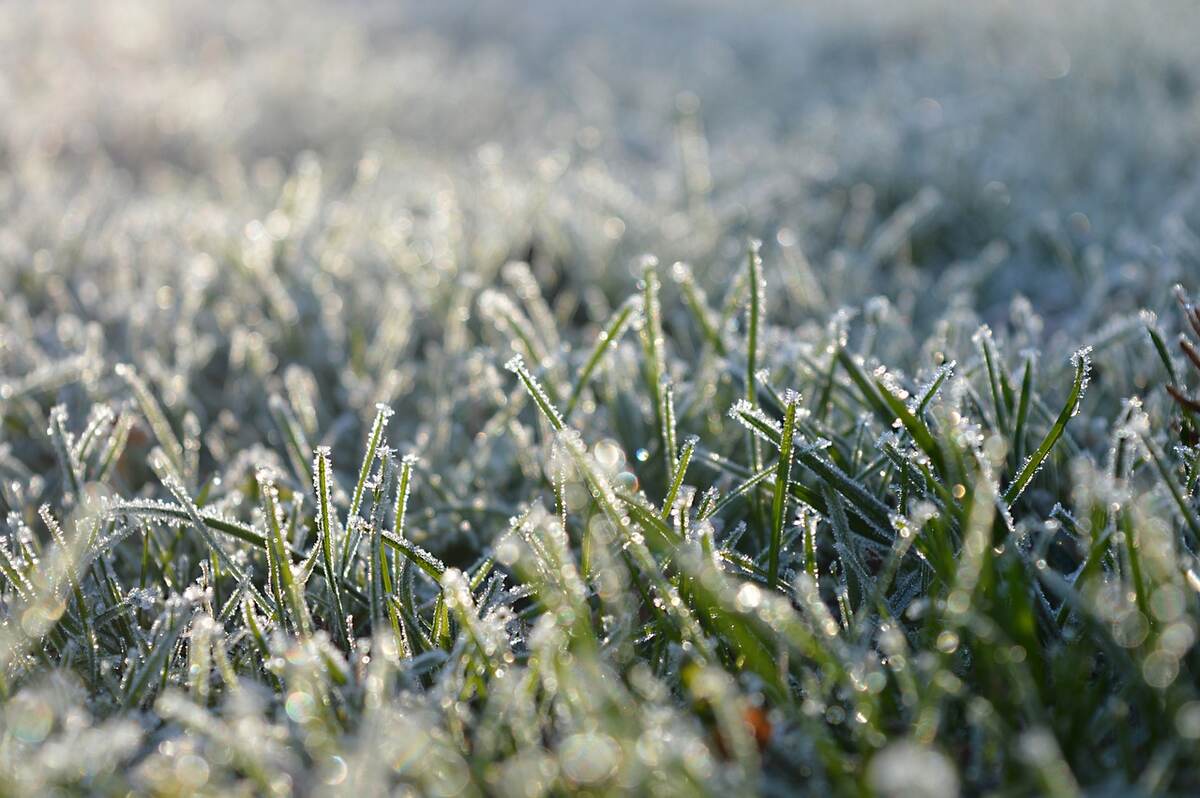
Main Image: Frost and frozen dew cling to individual grass blades on a cold winter morning. Photo Credit: neelam279 / Pixabay
Related Posts: