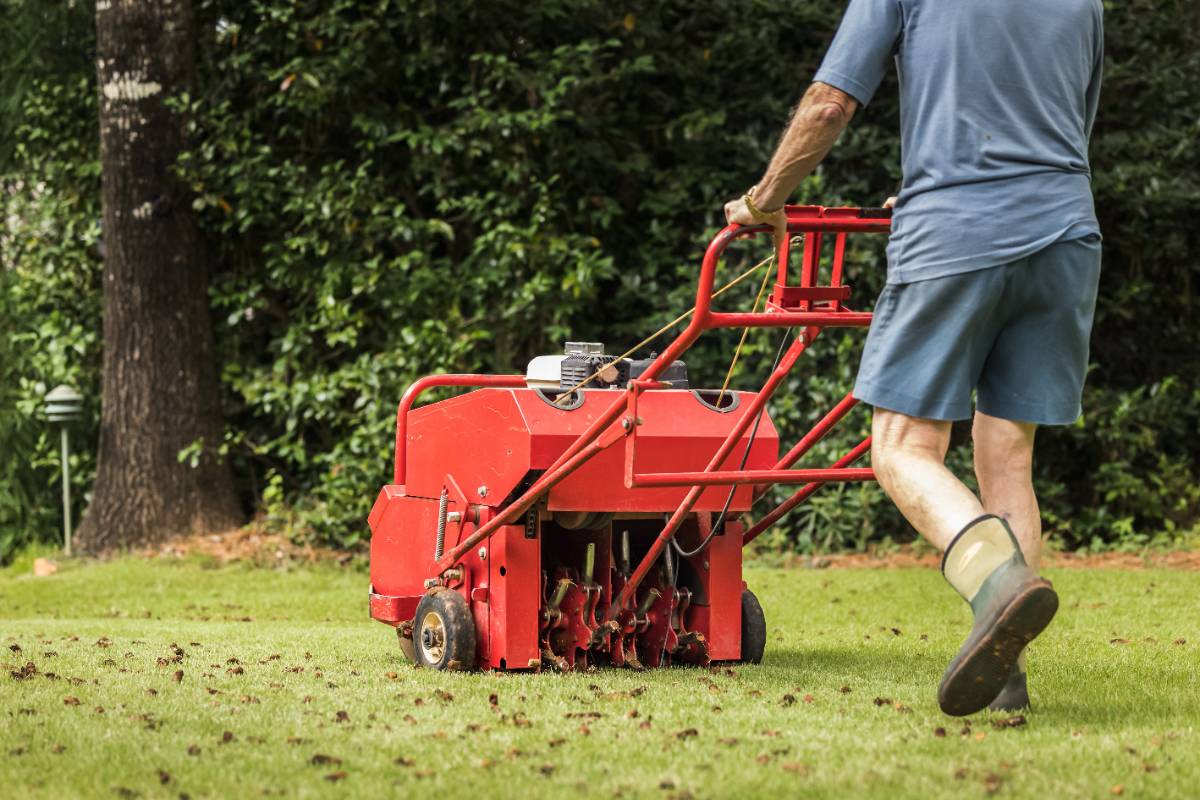
After aerating your lawn, the soil is open and ready to absorb nutrients, water, and seed more effectively. Post-aeration care involves overseeding, watering, fertilizing, and staying off the grass while it recovers.
Knowing the right steps to take and the timing makes the difference between a quick recovery and a patchy result.
LawnStarter connects you with local lawn care pros who handle aeration and overseeding, so you can skip the guesswork.
| Key Takeaways |
|---|
| • After aerating, overseed first, then fertilize within 48 hours while the soil holes are still open. • Water daily until new grass matches the height of existing turf, and stay off the lawn for at least 2 to 4 weeks. • Leave soil plugs on the surface to decompose naturally and return nutrients to the soil. |
What to Do After Aerating Your Lawn
Your lawn is primed for growth right after aeration. The holes in the soil allow seed, water, and fertilizer to reach the root zone directly. Here is the recommended order of steps:
1. Leave the Soil Plugs Alone

After core aeration, you will see small soil plugs scattered across the lawn. Leave them where they are. They break down within 1 to 2 weeks and release beneficial nutrients back into the soil. As Scott Culala of The Lawn Cypress in Gardner, Kansas, explains, if “Aeration helps revive the soil.”
The plugs also contain microorganisms that help decompose thatch layers. If their appearance bothers you, run a lawn mower over them to break them up faster.
2. Overseed Your Lawn
Aeration creates the ideal conditions for overseeding. Always seed before fertilizing. Seeds need direct soil contact to germinate, and fertilizer applied on top can create a barrier. Choose a seed mix that matches your existing grass type, and check the label for a germination rate of at least 85%.
For cool-season grasses like Kentucky bluegrass and tall fescue, the best time to aerate and overseed is early fall when soil temperatures range from 50 to 65 degrees.
For warm-season grasses like Bermudagrass and Zoysiagrass, aerate and overseed in late spring through early summer when soil temperatures exceed 70 degrees.
See Related: How to Overseed a Lawn in 8 Simple Steps
3. Topdress Your Lawn
Topdressing means spreading a thin layer of compost or topsoil over the grass after seeding. This protects new seeds and improves soil structure. Apply a layer no more than 1/4 inch thick.
Benefits of topdressing after aeration:
Adds organic matter to the soil
Protects new grass seed from drying out
Smooths uneven terrain
Builds beneficial soil microbes
Reduces thatch over time
See Related: Topdressing a Lawn: The Benefits and How to Do It
4. Water Your Lawn
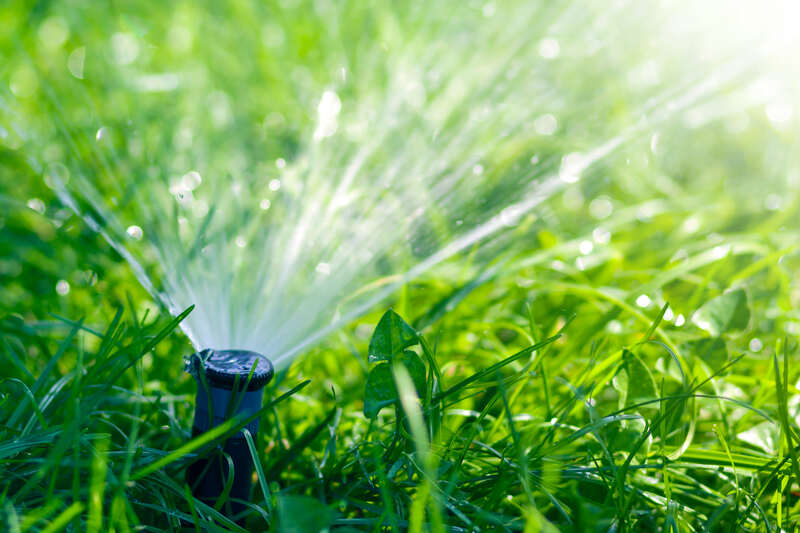
Water your lawn immediately after completing the seeding, topdressing, and fertilizing steps. The first watering washes nutrients into the aeration holes and settles the topdressing around the seeds.
Apply 1 to 1.5 inches of water on the first day. Then water lightly every day until new seedlings reach the height of your existing grass. This usually takes 2 to 3 weeks.
Best time to water: Between 4 a.m. and 8 a.m. Evaporation is lowest during these hours, so more water reaches the roots. Avoid watering in the evening to reduce disease risk.
Do not overwater. Soggy soil suffocates roots and can kill nearby plants and trees.
See Related: How Often to Water Grass Seed
5. Apply Fertilizer
Chuck Vogt of Metro Lawns in Atlanta, Georgia, recommends “soil testing and then (doing) a lawn treatment program.” So, always test your soil before choosing a fertilizer. A soil test reveals which nutrients your lawn actually needs, so you avoid over-applying or choosing the wrong formula.
Fertilize within 48 hours of aerating. The holes allow nutrients to reach the root zone faster than surface application alone. A starter fertilizer high in phosphorus works best for newly seeded lawns because it promotes root development.
Lime application (if needed): If your soil test shows a pH below 6.0, apply lime after fertilizing. Lime raises the pH of acidic soil toward neutrality. Not every lawn needs lime, so only apply based on test results.
See Related:
6. Limit Foot Traffic

Stay off the lawn for at least 2 to 4 weeks after aerating and seeding. Foot traffic compresses the soil in the holes and disrupts seed germination. Keep pets off the lawn during this period too.
If you need to cross the lawn, stick to a single path to minimize damage. Consider placing temporary signs or barriers to remind family members and visitors.
7. Avoid Herbicides
Do not apply herbicides for at least 4 to 6 weeks after overseeding. Pre-emergent herbicides prevent all seeds from germinating, including your new grass seed. Post-emergent herbicides can damage young seedlings.
If weeds appear, pull them by hand. Check weekly for new growth. Once your new grass is established and has been mowed at least 3 times, you can resume weed control treatments.
8. Wait to Mow
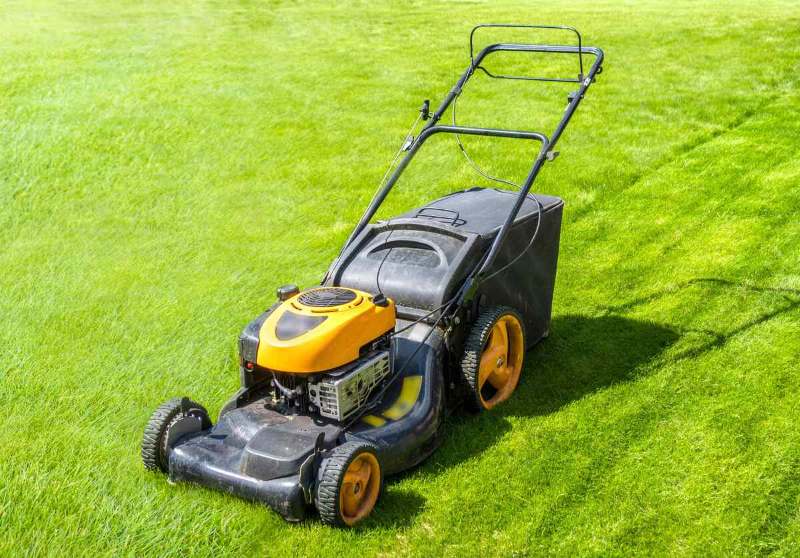
Wait until the new grass reaches the same height as your established lawn before mowing. This typically takes 3 to 4 weeks. Mowing too early can uproot young seedlings.
When you do mow, set your mower to the highest recommended setting for your grass type. Only remove the top one-third of the grass blade to avoid stressing the lawn.
| Grass Type | Mowing Height (Inches) |
|---|---|
| Bahiagrass | 3 to 4 |
| Bermudagrass (common) | 1 to 2 |
| Centipedegrass | 1 to 2 |
| Fine fescue | 2 to 4 |
| Kentucky bluegrass | 2 to 4 |
| Perennial ryegrass | 1.5 to 3.5 |
| St. Augustinegrass | 3 to 4 |
| Tall fescue | 2 to 4 |
| Zoysiagrass | 1 to 2.5 |
See Related: When to Mow After Overseeding Your Lawn
When to Aerate Your Lawn
The best time to aerate depends on your grass type. Aerate during the grass’s active growing season so it can recover quickly from the process.
Cool-season grasses: Aerate in early fall (September). The grass is actively growing and has time to recover before winter dormancy.
Warm-season grasses: Aerate in late spring through early summer (May to June). The grass is entering its peak growth period and recovers quickly in warm weather.
See Related: Best Time to Aerate and Overseed Your Lawn
How Long It Takes Your Lawn to Recover
Most lawns recover from aeration within 2 to 4 weeks. During this time, the soil plugs break down and the grass fills in the holes.
Several factors affect recovery speed, including grass type, weather conditions, and how well you water after the process. Cool-season grasses aerated in fall typically bounce back faster because of favorable growing conditions.
New grass seedlings (if you overseeded) usually germinate within 7 to 14 days depending on the variety. You will see the lawn return to normal appearance within 3 to 4 weeks with proper watering and care.
FAQs
Yes. Water thoroughly right after aerating to help settle the soil and promote root growth. Apply 1 to 1.5 inches of water on the first day. Continue watering daily for 2 to 3 weeks to keep the soil moist for seed germination.
For cool-season grasses, October can work in warmer climates but is too late in northern regions where frost arrives early. The grass needs at least 4 weeks of active growth after aeration to recover before going dormant for winter.
Let LawnStarter Handle the Hard Work
Aeration is one of the best things you can do for your lawn, and following the right post-aeration steps ensures the effort pays off. From overseeding to watering schedules, the weeks after aeration require attention and consistency.
If keeping up with post-aeration care feels like too much, LawnStarter’s local aeration pros can handle aeration and all the follow-up steps for you.
Read More:
Main Image: Man doing core aeration in lawn. Photo Credit: Scott Habermann / Adobe Stock