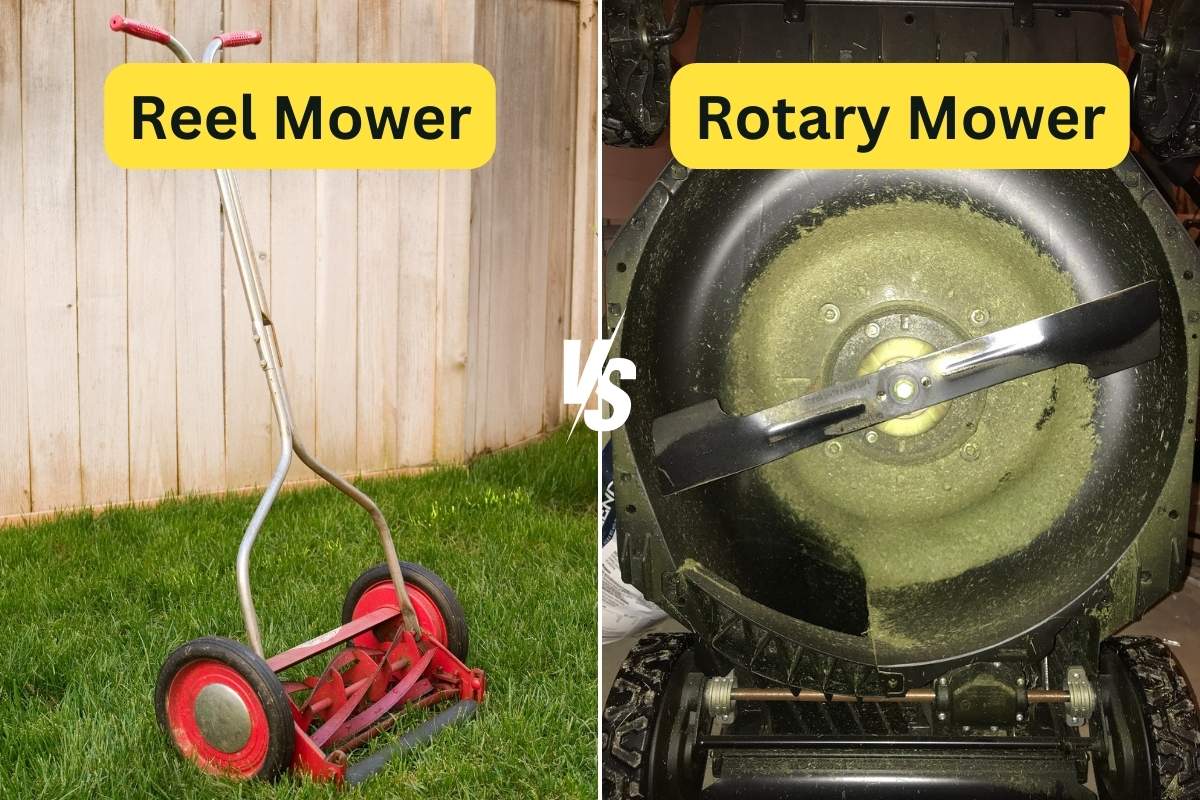
Reel mowers and rotary mowers take completely different approaches to cutting grass. Reel mowers use scissor-action blades, ideal for small, flat lawns with grass under 2 inches tall. Rotary mowers spin blades at high speed to power through tall grass, weeds, and uneven terrain.
Your lawn determines which works better. Reel mowers excel at precision cuts but require physical effort and work only on short, well-maintained grass. Rotary mowers tackle tough conditions quickly but need more maintenance.
Understanding these key differences helps you match the right mower to your lawn — or decide whether professional lawn mowing services better fit your needs.
| Key Takeaways |
|---|
| • Reel mowers cut like scissors. They’re perfect for short grass (under 2 inches) on small, flat lawns. • Rotary mowers tear through grass with spinning blades, handling tall grass and uneven terrain. • Reel mowers are cheaper ($129 avg.) and eco-friendly, but require physical effort. • Rotary mowers work faster but cost $110-$6,000 and require regular maintenance. |
What Is a Reel Mower?
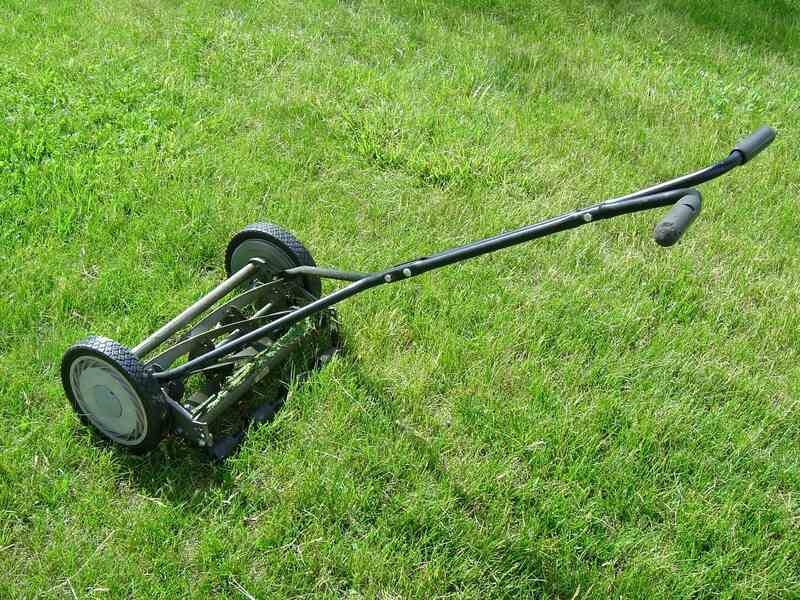
A reel mower uses 5-7 spiral blades arranged in a vertical cylinder that spins against a fixed bottom blade, creating a scissor-like cutting action. Most are manual push models requiring no gas or electricity. They run on your muscle power.
Key features:
- Cuts grass between 1/2 inch and 2 inches tall
- Weighs 17-35 pounds
- Costs around $129 for push models
- Nearly silent operation
- Zero emissions
- Burns 165-198 calories per 30 minutes of mowing
Best for: Small lawns (under 5,000 sq ft), flat terrain, short grass, and eco-conscious homeowners seeking a pristine lawn appearance and the added benefit of exercise.
What Is a Rotary Mower?
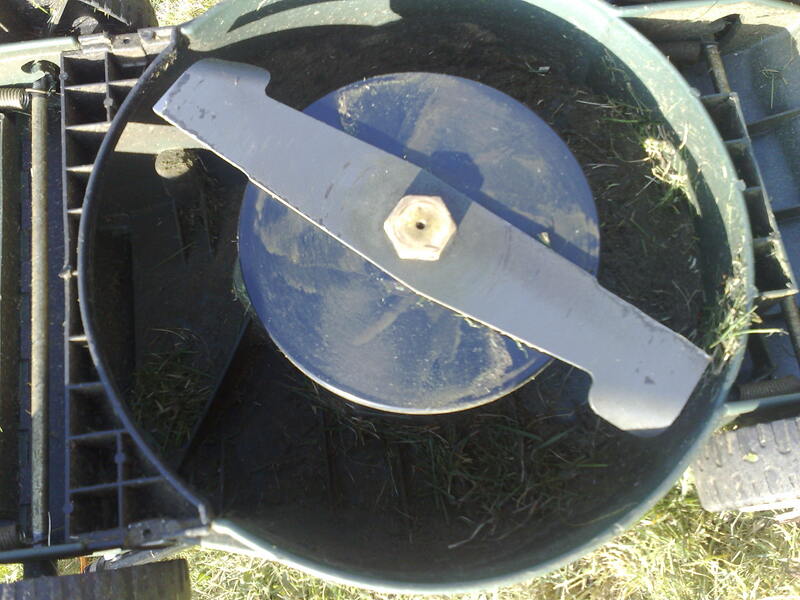
A rotary lawn mower has 1 or 2 horizontal blades underneath the deck that spin at approximately 3,000 RPM. This high-speed rotation lifts the grass, cutting it in a “whacking” motion rather than a clean scissor cut.
Key features:
- Handles grass up to 4+ inches tall
- Weighs 50-150 pounds (walk-behind models)
- Four-wheel design, with adjustable height, navigates uneven terrain
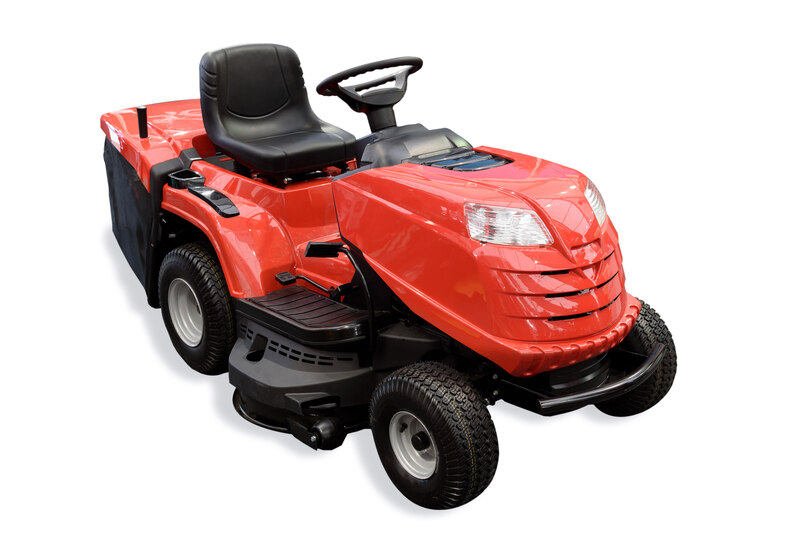
- Available as push, self-propelled, or riding models
- Costs $110-$840 (push), $260-$2,070 (self-propelled), $1,200-$6,000 (riding)
- Powered by gas, battery, or electricity
Best for: Lawns over 5,000 square feet, uneven terrain, tall grass, and homeowners wanting faster mowing with powered equipment.
Reel Mower vs. Rotary Mower: Head-to-Head Comparison
| Factor | Reel Mower | Rotary Mower |
| Best Lawn Size | Under 5,000 sq. ft. | 5,000+ sq. ft. |
| Terrain | Flat, even ground | Handles bumps and slopes |
| Grass Height | 1/2 to 2 inches max | 1.5 to 4+ inches |
| Cut Quality | Clean, scissor-like | Tears grass (if blade is dull) |
| Speed | 0.1-0.3 acres/hour | 0.2-0.5 acres/hour |
| Physical Effort | High (manual pushing) | Low to moderate |
| Maintenance | Minimal (sharpen blades) | Regular (oil, filters, spark plugs) |
| Price Range | $129 average | $110-$6,000 |
| Lifespan | Indefinitely, with proper care | 5-10 years (push); 10-20 years (riding) |
| Emissions | Zero (manual models) | Yes (gas models) |
| Noise Level | Nearly silent | 75-105 decibels |
Lawn Size and Terrain
Winner: Rotary mower for most homeowners; reel mower for small, flat lawns
Reel mowers work best on small, flat lawns under 5,000 square feet. The manual pushing effort makes larger areas impractical. Uneven terrain creates another challenge: Reel mowers can scalp high spots or miss low spots entirely because they lack adjustable deck height and rely on consistent ground contact for the scissor-cutting action.
Rotary mowers handle varied conditions with their four-wheel design and adjustable cutting height. This versatility makes them suitable for lawns over 5,000 square feet, bumpy terrain, and slopes that would challenge reel mowers.
Cutting Mechanism and Quality
Winner: Reel mower for cut quality; rotary for versatility
Reel mowers cut like scissors. The spinning blades trap grass against a fixed bed knife and shear it cleanly. This works perfectly when the grass is short and upright, but not as well when it exceeds 2 inches in height or is bent over.
The scissor action of a reel mower produces the cleanest cuts, reducing water loss and the number of entry points for common lawn diseases. Golf courses use reel mowers to achieve a manicured appearance.
Rotary mowers use brute force. Blades spin at 3,000 RPM, tearing through grass up to 4+ inches tall, weeds, and small twigs. The blade creates suction as it spins, lifting bent-over grass before cutting, making it versatile for varied conditions.
However, that tearing action can stress your grass if the blades aren’t sharp. Sharpen lawn mower blades every 20-25 hours to keep cuts clean.
Ease of Use and Speed
Winner: Rotary mower
Pushing a manual reel mower requires sustained physical effort. You’ll cover 0.1 to 0.3 acres per hour — roughly one-third the speed of a rotary mower.
Rotary mowers (especially self-propelled models) let you cover ground faster with minimal effort (0.2 to 0.5 acres per hour). Even basic push rotary mowers require less exertion since you’re not powering the cutting mechanism.
For small yards, the time difference is negligible. However, for yards bigger than 5,000 square feet, rotary mowers become significantly more practical.
Maintenance Requirements
Winner: Reel mower
Reel mowers require minimal upkeep: sharpen blades every 1-2 years (under $30), lubricate moving parts occasionally, and store indoors. No oil changes, air filters, spark plugs, or winterization.
Rotary mowers demand regular lawn mower maintenance. Gas models need oil changes every 50 hours, air filter cleaning, spark plug replacement, and proper winterizing. Electric models require battery maintenance and charging, but skip the engine upkeep. Both types need blade sharpening every 20-25 hours.
Rotary mower repair costs average $75-$550 for typical issues.
Cost Comparison
Winner: Reel mower
Initial purchase:
- Reel mower cost: $129 average
- Push rotary mower cost: $190-$430
- Self-propelled rotary mower: $260-$2,070
- Riding mowers: $1,200-$6,000
Ongoing costs (annual):
- Reel: $10-$30 (blade sharpening)
- Gas rotary: $50-$150 (gas, oil, filters, maintenance)
- Electric rotary: $40-$80 (electricity, battery replacement, blade sharpening)
Over 10 years, a reel mower costs approximately $200-$400 total. A gas rotary mower costs $800-$2,500+, including purchase, fuel, and maintenance. An electric rotary mower costs $820-$1,270 total, including purchase, battery replacement amortized over lifespan, and blade sharpening.
Durability and Lifespan
Winner: Reel mower
Reel mowers last 10-20 years or even indefinitely with proper care. Their simple mechanical design — cylinder blades and basic wheels — means fewer parts to break or wear out.
Rotary mowers last 5-10 years for walk-behind models and 10-20 years for riding mowers (higher-end brands last significantly longer than budget options). They contain numerous components that wear out: engines, carburetors, spark plugs, air filters, belts, and batteries (electric models).
Even with diligent maintenance, rotary mowers eventually require costly repairs or replacement due to engine problems (gas models), battery degradation (electric models), rusted decks, and worn drive systems.
Environmental Impact and Noise
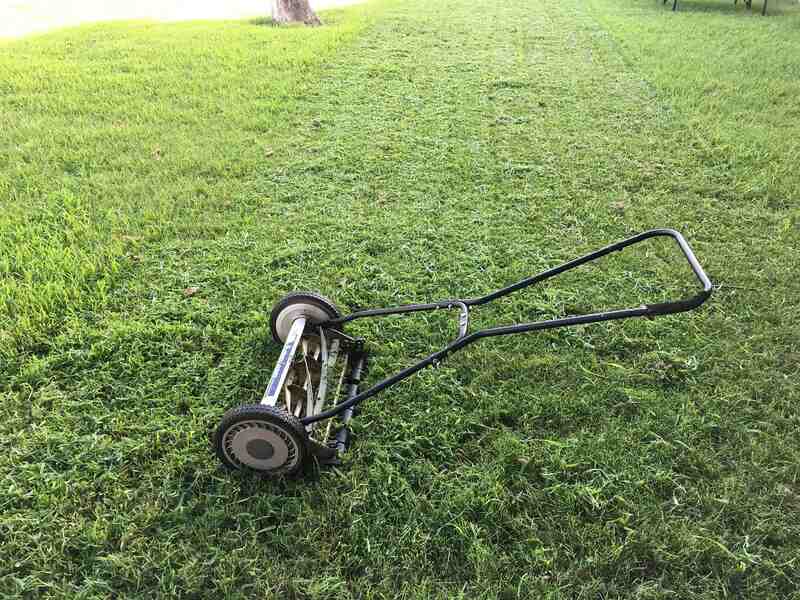
Winner: Reel mower
Manual reel mowers produce zero emissions since they don’t use gas or electricity, making them the most eco-friendly option.
Electric rotary mowers produce zero emissions during operation, but still have environmental costs associated with battery production and disposal.
Gas rotary mowers emit significant pollutants, including carbon monoxide and volatile organic compounds. According to the EPA, 1 hour of gas mower operation produces emissions equivalent to driving a new car 45 miles. Our article on gas vs. electric lawn mowers compares these options in detail.
Reel mowers are nearly silent — just a soft whirring sound. You can mow early in the morning without disturbing the neighbors. Gas rotary mowers reach 95-105 decibels (requiring hearing protection), while electric models run at 70-75 decibels.
Who Should Choose a Reel Mower?
Choose a reel mower if you:
- Have a small, flat lawn under 5,000 square feet
- Maintain grass at or below 2 inches consistently
- Want superior cut quality and a manicured appearance
- Enjoy physical activity (burns 165-198 calories per 30 minutes)
- Want minimal maintenance and lower costs
- Want a durable mower that can last decades
- Value eco-friendliness with zero emissions
- Prefer silent operation
If you’d rather invest your time elsewhere, professional lawn care services can maintain your lawn perfectly with commercial-grade equipment.
Who Should Choose a Rotary Mower?
Choose a rotary mower if you:
- Have a lawn over 5,000 square feet
- Deal with uneven terrain, slopes, or bumps
- Let grass grow tall (mow weekly or less)
- Face thick vegetation, weeds, or mixed grass types
- Want speed and to finish mowing quickly
- Need mulching, bagging, or side-discharge options
- Prefer powered equipment over manual effort
Most suburban homeowners find rotary mowers more practical for typical lawn conditions.
Deciding between self-propelled or manual push mowers? Check our guide on self-propelled vs. push mowers.
Making Your Decision
Some homeowners use both strategically — a reel mower for the front lawn (small, flat, visible) and a rotary for the backyard (larger, uneven). Others switch seasonally based on grass growth rates.
The “right” choice depends on your lawn size, terrain, grass height preferences, and priorities (cost, environment, time, cut quality). If you’re uncertain or prefer to skip mowing, professional lawn mowing delivers perfect results every time.
Get Instant Lawn Mowing Quote →
FAQs About Reel Mower vs. Rotary Mower
Yes, reel mowers excel at Bermudagrass since it thrives at short heights (0.5 to 1.5 inches). St. Augustine prefers 2.5-4 inches, making rotary mowers a better fit unless you maintain it at the low end of its range.
No, reel mowers struggle with wet grass. Moisture causes grass to clump and clog the blades, preventing clean cuts. Wait until the grass is completely dry. Rotary mowers handle damp conditions better but still produce uneven cuts when the grass is wet.
Both can create stripes with a roller attachment, but reel mowers produce crisper, more defined stripes due to superior cut quality. For home lawns, lawn striping techniques work with either mower type.
How to Choose and When to Hire a Pro
Choose a reel mower if: You have a small (under 5,000 square feet), flat lawn that you maintain at 2 inches or shorter, value eco-friendliness and cut quality, and don’t mind physical exercise.
Choose a rotary mower if: You have a larger lawn, uneven terrain, let grass grow beyond 2 inches, or want speed and versatility with minimal physical effort.
Most homeowners find rotary mowers more practical for typical lawn conditions. But for small, flat, meticulously maintained lawns, reel mowers deliver unmatched quality and sustainability.
Don’t have time to mow? Let LawnStarter’s lawn care professionals handle everything. Get instant quotes from local pros with professional-grade equipment.
Sources
- “Calories Burned in 30 minutes for People of Three Different Weights.” Harvard Health Publishing.
- “Take Steps to Limit Air Emissions When Using Garden Equipment.” By New Hampshire Department of Environmental Services.
Main Image: Side by side image of Reel Mower and Rotary Mower. Image Credits:
Reel Mower: Vivid Pixels / Adobe Stock
Rotary Mower: Atomicdragon136 / Wikimedia Commons / CC BY 4.0
